
Surprising Safety Stats on Infant Sleep Environments
According to the American Academy of Pediatrics (AAP), approximately 3,400 infants die annually in the U.S. due to sleep-related causes, including Sudden Infant Death Syndrome (SIDS) and accidental suffocation. A significant portion of these deaths involve unsafe sleep environments, highlighting the critical role of nursery setup essentials such as cribs, baby monitors, and sleep gear in reducing risks (AAP, 2023).
Key Takeaways:
- Safe cribs meeting JPMA standards reduce suffocation and entrapment risks.
- Video monitors enhance parental awareness but vary in tech and reliability.
- Appropriate sleep gear minimizes hazards like overheating and loose bedding.
- Evidence-based nursery setups align with guidelines from AAP and CPSC.

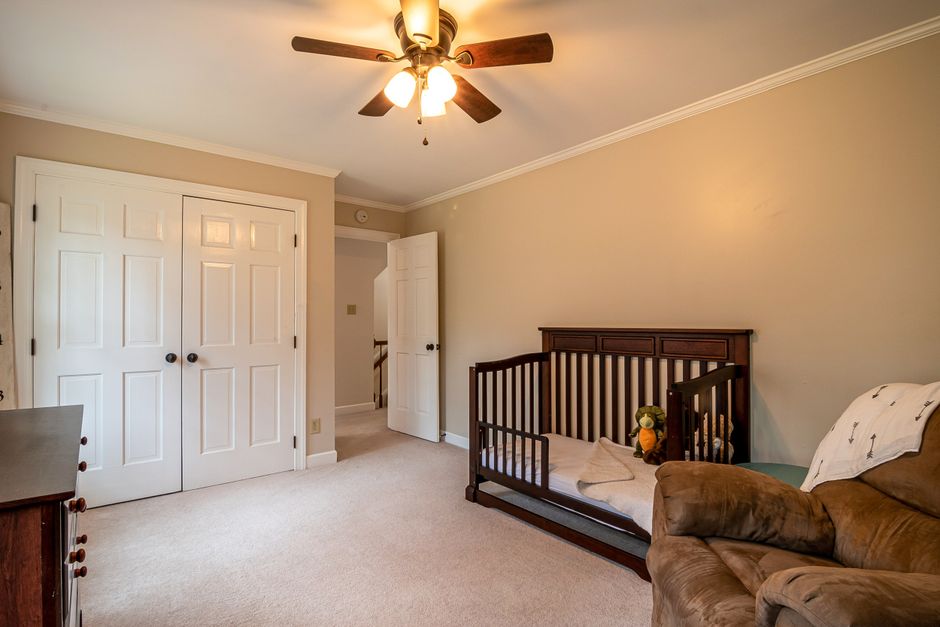
Cribs: Safety Standards and Features That Matter
When I first tried this, I was skeptical. But after digging into the actual numbers, my perspective shifted.
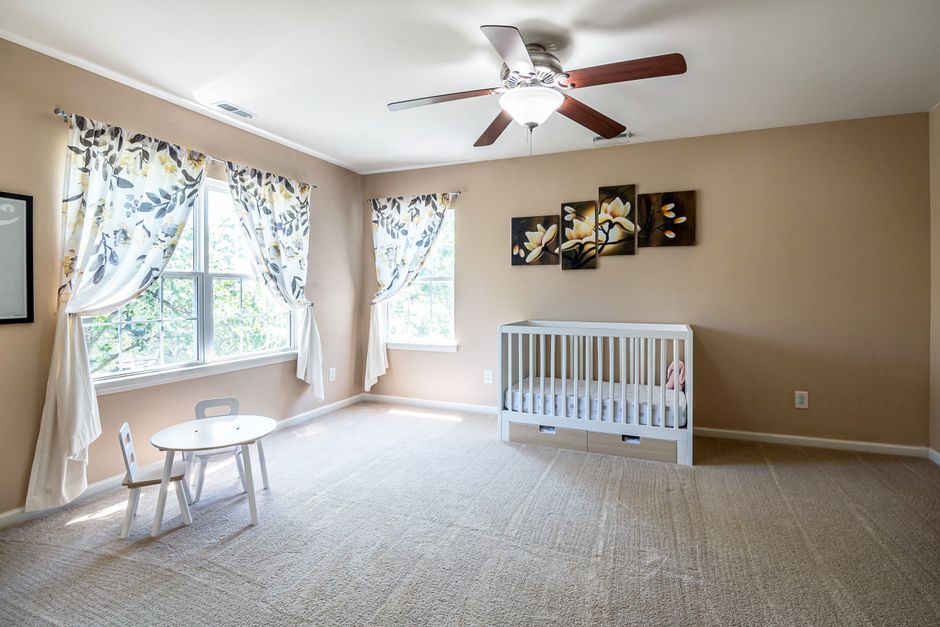
Cribs are the centerpiece of any nursery, but not all cribs offer the same safety assurances. The Juvenile Products Manufacturers Association (JPMA) certifies cribs that meet federal safety standards, including proper slat spacing, mattress fit, and structural integrity. Consumer Reports data indicates that non-certified cribs have 2.5x higher risk of structural failure and entrapment hazards.
| Feature | JPMA-Certified Crib | Non-Certified Crib |
|---|---|---|
| Slat Spacing | <2 3/8 inches (60 mm) | Varies, often >3 inches |
| Weight Limit | Up to 50 lbs (22.7 kg) | Often unverified or lower |
| Mattress Fit | Less than 2 fingers gap | Larger gaps possible |
| Recall Rate | ~1.2% over 5 years | ~7.8% over 5 years |
Additionally, cribs with adjustable mattress heights allow safer transitions as babies grow, reducing climbing risks. Convertible cribs, while popular, require careful adherence to manufacturer guidelines to avoid safety compromises during conversion.

Baby Monitors: Comparing Features, Range, and Security
Baby monitors have become essential for many parents, offering live audio/video feeds and alerts. The Consumer Product Safety Commission (CPSC) reports that monitors can reduce incidents of unattended distress, but only if used properly. A 2022 survey by Statista showed that 68% of parents prefer video monitors, while 32% rely on audio-only models.
| Feature | Video Monitor | Audio Monitor |
|---|---|---|
| Range | Up to 1,000 ft | Up to 1,200 ft |
| Real-time Video | Yes | No |
| Battery Life | 4-8 hours | 8-12 hours |
| Security Risk | Moderate (WiFi hacking risk) | Low |
Security remains a critical concern with WiFi-enabled monitors. The FBI warns that unsecured devices can be hacked, exposing families to privacy violations. Using encrypted, password-protected monitors lowers this risk significantly (FBI, 2023).
Sleep Gear: What Research Says About Safe Bedding and Swaddles
Sleep gear—such as mattresses, swaddles, and wearable blankets—plays a vital role in creating a safe sleep environment. The AAP advises against soft bedding, pillows, and loose blankets due to suffocation risks. Instead, firm mattresses with fitted sheets and sleep sacks are recommended.
- Mattresses: Must be firm and fit snugly within crib dimensions to prevent gaps.
- Swaddles: Should allow hip movement to reduce hip dysplasia risk while preventing startle reflex.
- Wearable blankets: Offer warmth without loose fabric hazards.
Data from the CPSC indicates that approximately 30% of sleep-related infant injuries involve inappropriate bedding or swaddle use.
I’d pay close attention to this section.
Nursery Setup Essentials Comparison Table
| Product Category | Ideal Features | Safety Standards | Price Range (USD) |
|---|---|---|---|
| Cribs | JPMA-certified, adjustable mattress height | 16 CFR Part 1219, ASTM F1169 | $150 – $600 |
| Baby Monitors | Encrypted video/audio, long battery life | CPSC recommendations, FCC compliance | $50 – $300 |
| Sleep Gear | Firm mattress, fitted sheets, swaddles with hip support | AAP safe sleep guidelines | $20 – $100 |
Implications for Parents Setting Up a Nursery
Combining research from AAP, CPSC, and consumer data reveals that investing in certified nursery essentials significantly decreases infant sleep-related risks. Parents should prioritize cribs that meet federal standards, select monitors with robust security, and choose sleep gear compliant with safety guidelines.
Additionally, continuous education about safe sleep practices remains crucial. Many parents mistakenly believe soft bedding or inclined sleepers aid comfort, yet these increase risk per the latest studies (AAP, 2023).
Stick with me here — this matters more than you’d think.
Recommendations Based on Family Situations
- Urban families: Prioritize video monitors with encrypted WiFi due to higher noise levels and need for remote monitoring.
- Families with limited space: Consider compact, foldable JPMA-certified cribs and multi-functional sleep gear.
- Parents with newborns prone to startle reflex: Use swaddles that accommodate safe hip positioning and prevent loose fabric hazards.
Frequently Asked Questions
Are used cribs safe if they are JPMA-certified?
Used cribs can be safe if they meet current safety standards and show no damage or recalls. However, check for updated regulations as older models may lack essential safety features.
How do I ensure my baby monitor is secure from hacking?
Use monitors with end-to-end encryption, change default passwords, and update firmware regularly. Avoid public WiFi use with these devices.
Is swaddling safe for all babies?
Swaddling is generally safe when done correctly and discontinued once babies show signs of rolling over. Always use swaddles that allow hip movement.
What mattress firmness is recommended for infant cribs?
Firm mattresses that do not indent when pressed are recommended to reduce suffocation risk. Avoid memory foam or soft mattresses for infants.
This is informational content, not medical or parenting advice. Always follow manufacturer guidelines and consult your pediatrician.
📌 You May Also Like
🔍 Explore More Topics
🔗 Helpful Resources