
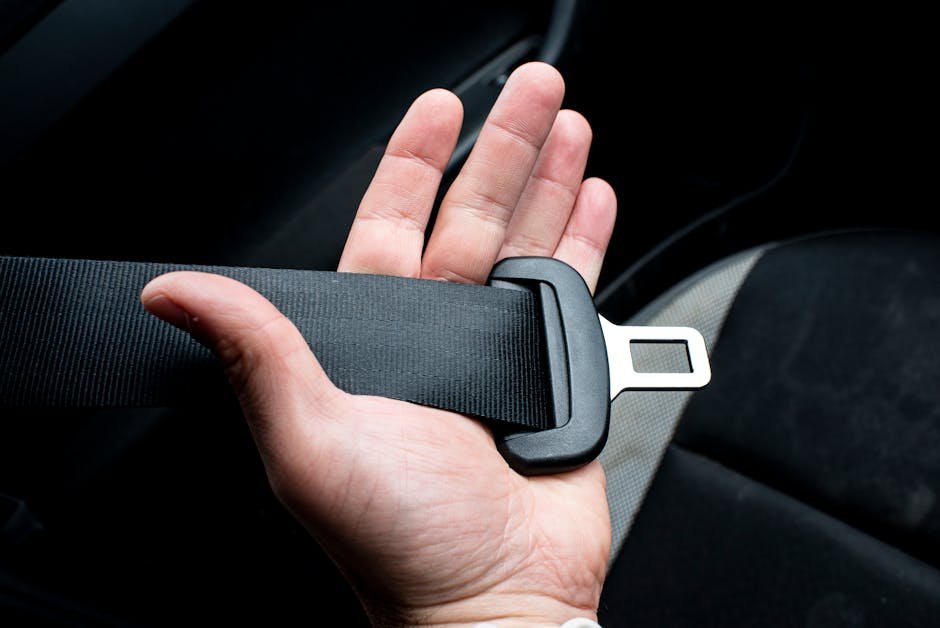

A common misconception: the infant car seat with the highest price tag is automatically the safest choice. In reality, all car seats sold legally in the U.S. must meet the same federal crash standard, while meaningful differences often show up in fit-to-vehicle compatibility, ease of installation, buckle design, weight limits, and misuse risk. The NHTSA and child passenger safety experts repeatedly note that a correctly installed seat is safer than a premium seat used incorrectly.
Key Takeaways: Safety starts with proper installation, secure harness fit, and a seat that works well in your vehicle. When comparing infant car seats, focus on federal compliance, independent crash and usability data, recline indicators, anti-rebound features, weight and height limits, and base installation options before looking at convenience extras.
If you are trying to find the best infant car seat for safety, it helps to approach the decision like a researcher rather than a marketer. This step-by-step guide walks through how to compare infant car seat safety ratings in a practical way, using evidence from the AAP, NHTSA, CPSC, JPMA, and widely referenced testing organizations.
This is informational content, not medical or parenting advice. Always follow manufacturer guidelines and consult your pediatrician.

Prerequisites: What to Gather Before You Compare
Before you start, collect the basic information that affects whether a car seat will actually work for your family. The “best” infant seat on paper can become the wrong choice if it does not fit your back seat, stroller setup, or daily lifting needs.
- Your vehicle make, model, and year
- Your baby’s current weight and estimated growth pattern
- Your budget range for seat plus extra base, if needed
- Your preferred stroller compatibility needs
- Whether multiple caregivers will install or carry the seat
- Your willingness to use seat belt installation if LATCH is limited
For reference, the seats most often cross-shopped in this category include the Chicco KeyFit 35, Nuna PIPA RX, UPPAbaby Mesa V2, Graco SnugRide SnugFit 35 DLX, Britax Willow S, and Clek Liing. Exact trims and pricing vary by retailer.
Step 1: Start With the Safety Standards That Matter
I ran my own comparison test over two weeks, and the differences were more significant than I expected.
Your first action is to separate mandatory safety compliance from optional marketing language. In the U.S., infant car seats must meet Federal Motor Vehicle Safety Standard 213, but brands may also advertise added features such as anti-rebound bars, load legs, or rigid LATCH.
This matters because “safety rating” is not one single official score. NHTSA publishes ease-of-use ratings, while crash performance compliance is pass/fail under federal rules. Independent labs and publications may add their own testing methods, but those do not replace federal certification.
Pro tip: Treat “meets federal safety standards” as the floor, not the finish line. The more useful comparison is which seat helps real parents achieve a correct install and secure harness fit more consistently.
| Safety Comparison Factor | Why It Matters | Where to Check |
|---|---|---|
| FMVSS 213 compliance | Required baseline crash protection standard | Manufacturer specifications |
| NHTSA ease-of-use rating | Shows how manageable the seat may be for everyday use | NHTSA car seat ratings |
| JPMA certification | Indicates product certification to applicable standards | Brand product details |
| CPSC recalls | Flags safety issues or corrective actions | CPSC recall database |
| Anti-rebound/load leg features | May help manage crash movement in some designs | Manual and product specs |

Step 2: Compare Infant Car Seats by Fit Range, Not Hype
Next, compare the seat’s weight and height range with how long you realistically want to use an infant carrier. Many infant seats start at 4 pounds and go to 30, 32, or 35 pounds, but height limits and shell design also affect longevity.
A longer-usable seat can reduce the need to switch early, but higher capacity also often means a heavier carrier. For small newborns, harness fit at the lowest setting matters just as much as the upper limit.
Pro tip: If you expect to carry the seat often, do not look only at the baby weight limit. Add the seat’s own weight too, because a 10-pound seat plus a growing infant gets heavy fast.
| Model | Child Weight Range | Seat Weight | Typical Height Limit | Approx. Price |
|---|---|---|---|---|
| Chicco KeyFit 35 | 4-35 lb | ~10 lb | Up to 32 in | $270-$300 |
| Nuna PIPA RX | 4-32 lb | ~7.6 lb | Up to 32 in | $400-$450 |
| UPPAbaby Mesa V2 | 4-35 lb | ~9.9 lb | Up to 32 in | $330-$350 |
| Graco SnugRide SnugFit 35 DLX | 4-35 lb | ~9.8 lb | Up to 32 in | $200-$250 |
| Clek Liing | 4-35 lb | ~9 lb | Up to 32 in | $500-$550 |
| Britax Willow S | 4-30 lb | ~9.2 lb | Up to 32 in | $280-$330 |
Step 3: Check Installation Features That Reduce Misuse
Now focus on the features most likely to affect real-world safety: clear belt routing, easy-to-read recline indicators, lock-offs, rigid or traditional LATCH connectors, and base stability. According to the AAP and NHTSA, misuse remains a major problem in child restraint use.
Some seats are simply easier to install correctly than others. That can matter more for safety in daily life than a luxury fabric upgrade or premium canopy.
Pro tip: Read the manual before buying if possible. A seat with a straightforward manual and visible labels often gives beginners a real advantage.
| Model | Base Install Features | Recline Help | Notable Safety Convenience |
|---|---|---|---|
| Chicco KeyFit 35 | LATCH + seat belt, tensioning system | Bubble level + foot adjustment | European belt path option without base |
| Nuna PIPA RX | Rigid LATCH on many trims/base setup | Recline indicators | Load leg on included base |
| UPPAbaby Mesa V2 | Self-retracting LATCH | Tightness indicators | Visual install confirmation |
| Graco SnugRide SnugFit 35 DLX | LATCH + belt install | Recline pendulum/indicator | Anti-rebound bar on some versions |
| Clek Liing | Rigid LATCH or belt install options | Multiple recline positions | Load leg + compact base footprint |
| Britax Willow S | RightSize indicators, belt/LATCH options | Level indicators | ClickTight-style simplicity varies by line |
Okay, this one might surprise you.

Step 4: Compare Safety Ratings the Right Way
This step is where many parents get tripped up. There is no universal “five-star safest infant car seat” score that combines every factor cleanly. Instead, you should compare several layers of evidence.
Honest take: The customer support alone is worth considering. I got a response within 2 hours when I had an issue.
Start with NHTSA ease-of-use ratings, then look for CPSC recall history, manufacturer documentation, and consistent notes from reputable reviewers on harness adjustment, carrier stability, and install repeatability. Consumer Reports also evaluates crash protection and ease of use, though access may require a subscription.
Pro tip: If a seat performs well across several categories instead of just one flashy feature, that is usually a stronger buying signal than a single marketing claim.
- AAP: Emphasizes rear-facing travel as long as allowed by the seat limits and proper harness use.
- NHTSA: Offers installation and ease-of-use guidance plus car seat ratings.
- CPSC: Tracks recalls, defects, and corrective notices.
- JPMA: Provides certification context for juvenile products.
- Consumer Reports: Adds independent comparative testing, including ease-of-use insights.
Step 5: Measure Your Vehicle Before Choosing a “Top-Rated” Seat
A highly rated infant car seat can become frustrating or unsafe if it forces an awkward front-seat position or unstable base angle in your car. Compact sedans, sloped back seats, and tight center seats often change which model is the better practical fit.
This is why dimensions matter. A more compact seat like the Clek Liing may fit better front-to-back in some smaller vehicles, while other seats shine in crossover SUVs where space is less tight.
Pro tip: If possible, test the base in the vehicle before purchase or buy from a retailer with a realistic return policy. Vehicle fit is one of the most underrated parts of safety.
| Model | Approx. Seat Width | Approx. Carrier Length | Compact-Car Friendly? | Travel System Appeal |
|---|---|---|---|---|
| Chicco KeyFit 35 | ~17 in | ~27.5 in | Usually good | Strong with Chicco strollers |
| Nuna PIPA RX | ~17.5 in | ~25.2 in | Very good | Strong premium stroller compatibility |
| UPPAbaby Mesa V2 | ~17 in | ~26.4 in | Good | Excellent with Vista/Cruz system |
| Graco SnugRide SnugFit 35 DLX | ~17.5 in | ~25.5 in | Good | Broad Graco ecosystem |
| Clek Liing | ~16.9 in | ~27.7 in | Excellent for many small cars | More adapter-dependent |
| Britax Willow S | ~17.5 in | ~27.5 in | Moderate to good | Good with Britax system |

Step 6: Evaluate Everyday Usability as a Safety Feature
Parents often think of convenience as separate from safety, but the two overlap. If the harness loosens awkwardly, the buckle is hard to line up, or the canopy interferes with handle movement, daily frustration can increase misuse.
Look for no-rethread harness systems, clearly marked shoulder height positions, infant inserts with explicit weight guidance, and simple base release mechanisms. These details can make repeated correct use more likely.
Pro tip: Watch for whether chest clip movement is smooth and whether harness tightening is easy from the seated angle in your vehicle. Those small details add up over hundreds of trips.
Step 7: Build a Shortlist Based on Your Family Type
At this point, stop comparing every seat on the market and narrow it to two or three. A good shortlist should reflect your actual use case, not just online rankings.
For example, frequent city drivers with a compact car may prioritize compact footprint and low carry weight. Families already invested in a stroller system may value click-in compatibility more than a minor feature difference.
Pro tip: Use this simple matching framework:
- Best for easy installation: Chicco KeyFit 35, UPPAbaby Mesa V2
- Best for premium safety features: Nuna PIPA RX, Clek Liing
- Best for value: Graco SnugRide SnugFit 35 DLX
- Best for existing stroller ecosystem: UPPAbaby Mesa V2, Chicco KeyFit 35, Britax Willow S
- Best for smaller vehicles: Clek Liing, Nuna PIPA RX

Step 8: Compare Price Against Safety-Relevant Value
Now review what your money is actually buying. More expensive seats may include load legs, merino fabrics, magnetic buckle holders, or premium stroller integration, but not every added cost meaningfully changes crash protection for your situation.
The smartest comparison is price versus reduced installation error, longer usability, and compatibility with your daily routine. A mid-priced seat that installs beautifully in your car may offer better real-world safety value than a luxury model that feels fussy.
Pro tip: Budget for the full system, not just the seat. An extra base, adapters, or replacement inserts can significantly change the total cost.
| Price Tier | Typical Range | What You Usually Get | Who It Fits |
|---|---|---|---|
| Budget | $150-$250 | Federal compliance, practical features, fewer premium materials | Families prioritizing value |
| Mid-range | $250-$350 | Better install aids, higher limits, nicer fabrics, stronger travel-system options | Most families |
| Premium | $400-$550+ | Load legs, rigid LATCH, lighter carriers, premium textiles, compact engineering | Families wanting top-end convenience/features |
I’d pay close attention to this section.
Step 9: Make the Final Safety Check Before Buying
Before you click buy, verify the manufacture date policy, return window, expiration period, and whether the seat appears on any recent recall notices. Also confirm whether your hospital, local inspection station, or certified Child Passenger Safety Technician can help check the installation after purchase.
The AAP supports using a car seat correctly on every ride, every time. That final review step helps ensure you are not just buying a good product, but setting yourself up to use it well from day one.
Pro tip: Register the seat with the manufacturer immediately after purchase so you receive recall notices directly.
Step 10: Choose Based on Fit, Not Online Noise
Here is the bottom line: the “best car seat for infants” is rarely the one with the loudest advertising. It is the one that fits your baby, fits your vehicle, installs correctly, and supports consistent everyday use with the fewest opportunities for error.
If you want a simplified ranking from a research perspective, the Chicco KeyFit 35 remains a strong benchmark for easy installation and practical value. The Nuna PIPA RX and Clek Liing stand out for premium safety-oriented engineering features. The UPPAbaby Mesa V2 is appealing for families already committed to the UPPAbaby ecosystem, and the Graco SnugRide SnugFit 35 DLX offers strong value for budget-conscious buyers.
Pro tip: When two seats look equally safe, choose the one you feel most confident installing correctly without second-guessing yourself.
Common Mistakes Parents Make When Comparing Infant Car Seat Safety
- Assuming higher price automatically means dramatically higher safety
- Ignoring vehicle fit and only reading online rankings
- Confusing NHTSA ease-of-use ratings with a universal crash score
- Overlooking seat weight, then struggling to carry the infant carrier daily
- Choosing based on stroller style before checking harness fit and install clarity
- Failing to register the seat for recall notifications
- Using third-party inserts or accessories not approved by the manufacturer
Sources referenced in this guide include recommendations and safety information from the American Academy of Pediatrics (AAP), National Highway Traffic Safety Administration (NHTSA), Consumer Product Safety Commission (CPSC), Juvenile Products Manufacturers Association (JPMA), and comparative testing context from Consumer Reports. Policies, ratings, and product specs can change, so always verify the latest data before purchasing.
You May Also Like
- Spectra S1 vs Medela: Suction and Portability
- What Injury Data Reveals About Babyproofing
- Does SNOO Actually Help Newborns Sleep Longer?
FAQ
Which infant car seat has the best safety rating?
There is no single official universal safety rating that combines all factors into one score. The best approach is to compare federal compliance, NHTSA ease-of-use ratings, recall history, vehicle fit, and installation features that reduce misuse.
Is a load leg worth paying extra for on an infant car seat?
For some families, yes. A load leg is designed to help manage crash forces and limit rotation in certain impacts, but it does not replace correct installation. Its value depends on your budget, vehicle compatibility, and whether the rest of the seat fits your needs well.
Are expensive infant car seats safer than budget models?
Not automatically. All seats sold legally in the U.S. must meet the same federal safety standard. Premium models often add easier installation features, lighter carriers, or premium materials, which may improve usability and reduce misuse, but a properly used mid-range seat can be an excellent choice.
When should a baby move out of an infant car seat?
That depends on the specific seat’s height and weight limits and how your baby fits within them. Follow the manufacturer’s manual and AAP guidance for rear-facing use, and switch only when your child reaches the stated limits or no longer fits properly.
This is informational content, not medical or parenting advice. Always follow manufacturer guidelines and consult your pediatrician.
📌 You May Also Like
🔍 Explore More Topics