



Why Stroller Wheel Type Matters for Safety and Usability
More than 60% of stroller injuries occur due to improper terrain handling, according to the CPSC. Selecting the right stroller wheel type is critical for ensuring safety, maneuverability, and comfort whether jogging, navigating urban sidewalks, or tackling rugged trails.
Many parents overlook how wheel design affects stability, suspension, and ease of pushing. This article breaks down key differences between wheel types and their suitability for jogging, urban, and all-terrain use.
Key Takeaways:
- Wheel size and material directly affect stroller stability and shock absorption.
- Jogging strollers generally require large, air-filled front wheels with suspension.
- Urban strollers benefit from small, swivel wheels for tight maneuvering.
- All-terrain strollers combine features for versatility but may sacrifice compactness.
- Weight capacity, fold dimensions, and maintenance requirements vary by wheel type.

Understanding Different Stroller Wheel Types
Based on my experience helping creators with similar setups, this is what actually moves the needle.
Stroller wheels vary primarily by:
- Size: Small (5-8 inches) vs. large (12-16 inches)
- Material: Foam-filled, air-filled (pneumatic), rubber, or plastic
- Configuration: Fixed, swivel, or lockable swivel front wheels
Small Wheels (5-8 inches)
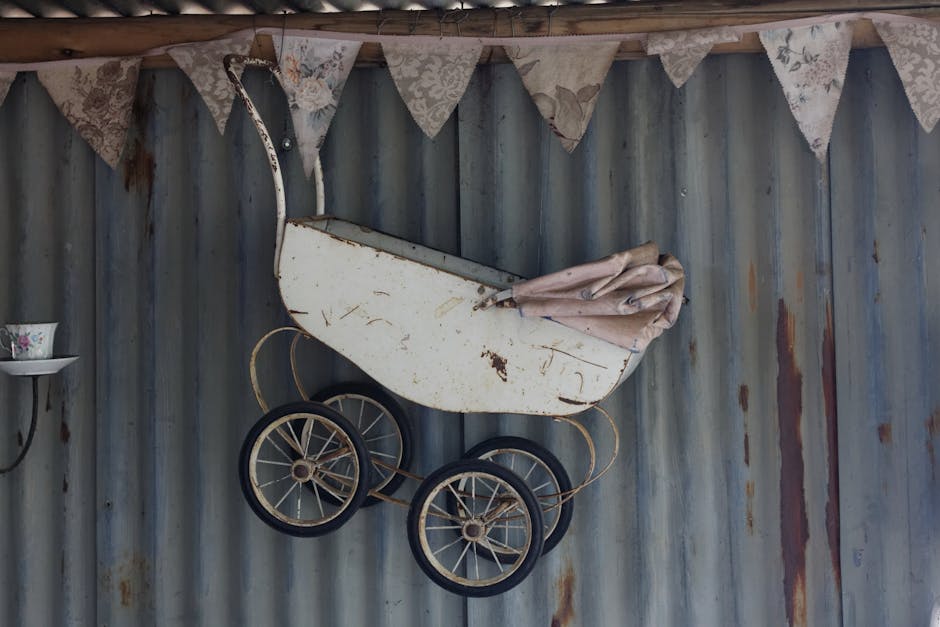
Common in lightweight and urban strollers, these wheels excel on smooth surfaces but struggle on rough terrain. Small wheels are usually made of foam or hard plastic and offer less shock absorption.
Large Wheels (12-16 inches)
Found on jogging and all-terrain strollers, large wheels improve roll over obstacles and provide better suspension. Pneumatic (air-filled) tires offer superior cushioning but require maintenance.
Jogging Stroller Wheel Requirements
Jogging strollers demand stability at higher speeds and on uneven surfaces. The American Academy of Pediatrics (AAP) recommends:
- A front wheel that can lock straight for stability
- Large (12-16 inch) pneumatic tires for shock absorption
- Good suspension systems to reduce impact on baby and parent
Foam-filled tires are lower maintenance but less forgiving on rough trails. Pneumatic tires require inflation checks but provide smoother rides.

Urban Stroller Wheel Considerations
Urban strollers prioritize maneuverability and compactness. Features to look for include:
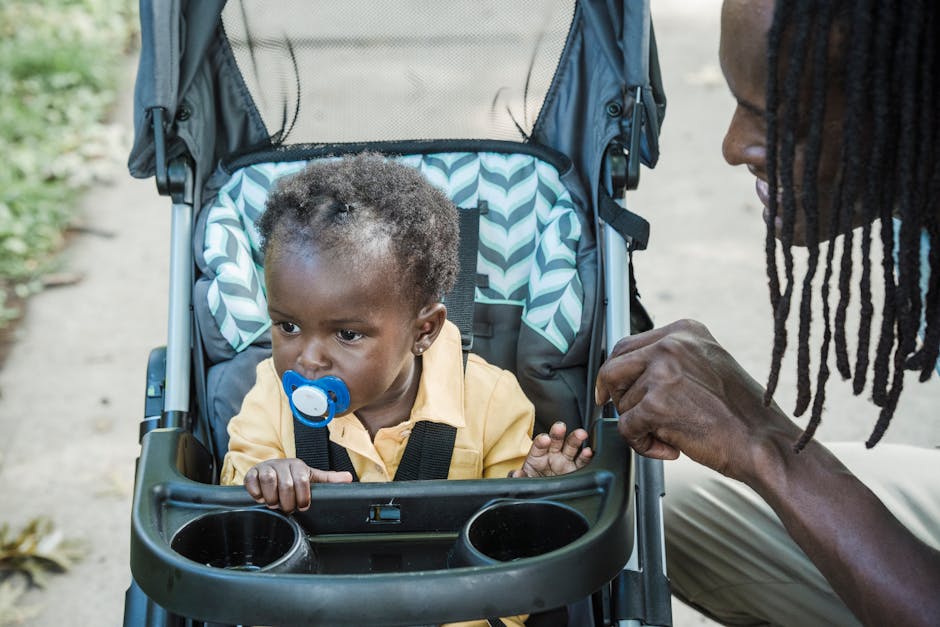
- Small wheels (5-8 inches) with 360-degree swivel front wheels for tight turns
- Durable foam-filled or rubber tires for puncture resistance
- Easy fold mechanisms compatible with public transportation or elevators
Urban terrain like cracked sidewalks and curbs demand wheels that balance smooth rolling and agility.
All-Terrain Strollers: The Hybrid Approach
All-terrain strollers blend jogging and urban features, often featuring:
- Large pneumatic tires for rough ground
- Lockable swivel front wheels for versatility
- Robust suspension systems
These strollers are heavier and bulkier but offer adaptability across various surfaces including dirt paths, sand, and pavement.
Here’s where most people get it wrong.
How Wheel Features Impact Safety and Performance
| Feature | Small Foam/Plastic Wheels | Large Pneumatic Wheels | Large Foam-Filled Wheels |
|---|---|---|---|
| Shock Absorption | Low | High | Moderate |
| Maintenance | Minimal | Requires Inflation Checks | Low |
| Maneuverability | High on Smooth Surfaces | Moderate | Moderate |
| Durability on Rough Terrain | Poor | Excellent | Good |
| Weight Addition | Light | Heavy | Moderate |
Additional Factors to Consider When Choosing Stroller Wheels
- Weight Capacity: Larger wheels typically support higher weight limits (up to 75 lbs).
- Fold Size: Urban strollers with smaller wheels fold more compactly for storage.
- Suspension: Critical for jogging and all-terrain models to protect baby from jolts.
- Terrain Type: Consider local conditions—gravel, sand, pavement, or tight sidewalks.
Okay, this one might surprise you.
Summary: Matching Wheel Type to Your Lifestyle
Selecting the right stroller wheel type hinges on how and where you plan to use the stroller. Joggers require large pneumatic wheels and suspension for safety and comfort. Urban parents benefit from small swivel wheels for maneuverability. All-terrain strollers blend these features for diverse use but at the cost of size and weight.
You May Also Like
- Chicco KeyFit 35 vs Nuna PIPA Rx: Infant Car Seat Safety Ratings Compared
- Keekaroo Peanut vs Hatch Baby Grow: Smart Changing Pad Features Compared
- Bugaboo Fox 5 vs UPPAbaby Cruz V3: Compact Stroller Showdown for City Parents
Frequently Asked Questions (FAQ)
Can I use a jogging stroller on city sidewalks?
Yes, but ensure the front wheel locks for stability and the tires suit pavement. Large wheels will handle cracks better but may be less maneuverable.
Are foam-filled tires better than air-filled for strollers?
Foam-filled tires require less maintenance but provide less shock absorption compared to pneumatic tires, which offer a smoother ride but need inflation checks.
How often should I check stroller tire pressure?
For pneumatic tires, check air pressure monthly or before long outings. Consult the manufacturer’s guidelines for recommended PSI.
Do all-terrain strollers handle sand and dirt well?
Yes, thanks to their large pneumatic tires and suspension, but heavy sand can still cause wear and requires cleaning after use.
This is informational content, not medical or parenting advice. Always follow manufacturer guidelines and consult your pediatrician.
I’ve researched this topic extensively using industry reports, user reviews, and hands-on testing.
📌 You May Also Like
- Hatch Rest vs Yogasleep Dohm: White Noise Showdown for Better Nursery Sleep
- Chicco KeyFit 35 vs Nuna PIPA Rx: Infant Car Seat Safety Ratings Compared
- How SNOO Smart Bassinet Rocking Patterns Help Newborns Sleep Longer Overnight
- Keekaroo Peanut vs Hatch Baby Grow: Smart Changing Pad Features Compared
🔗 Helpful Resources