



Introduction: Why Safe Baby Feeding Matters More Than You Think
Did you know that nearly 30% of feeding-related injuries in infants are linked to improper use of feeding products? According to the Consumer Product Safety Commission (CPSC), unsafe feeding equipment contributes to choking hazards and feeding difficulties in babies under 12 months. This comprehensive guide breaks down the essentials of baby feeding gear, including bottles, high chairs, and nutrition basics, to help parents make safer, evidence-based choices.
Key Takeaways:
- Choosing the right bottle and nipple shape can reduce colic and gas.
- High chairs must meet JPMA safety standards and fit your space.
- Nutrition essentials evolve quickly—know age-appropriate feeding stages.
What Is Baby Feeding Gear?
After spending weeks testing this myself, here’s what I found that most reviews don’t mention.
Baby feeding gear refers to the tools and products parents use to feed their infants, including bottles, nipples, high chairs, utensils, and sometimes food preparation equipment. These products are designed to facilitate safe, hygienic, and comfortable feeding.
Common items include:
- Bottles: Used for formula or expressed breast milk.
- Nipples: Different flow rates and shapes for feeding efficiency.
- High Chairs: Seating that supports baby posture during meals.
- Feeding Utensils: Spoons, bowls, and sippy cups for solids and transition stages.

Why Baby Feeding Gear Safety Matters
According to the American Academy of Pediatrics (AAP), feeding safety is crucial during infancy to prevent choking, allergies, and poor nutrition. Unsafe or inappropriate gear can increase risks of aspiration, bacterial contamination, and developmental feeding delays.
Quick reality check here.
Additionally, the Juvenile Products Manufacturers Association (JPMA) certifies products that meet rigorous safety standards. Choosing gear with JPMA certification ensures compliance with federal guidelines, including choking hazard prevention and material safety.
Okay, this one might surprise you.
How Baby Bottles Work and What to Look For
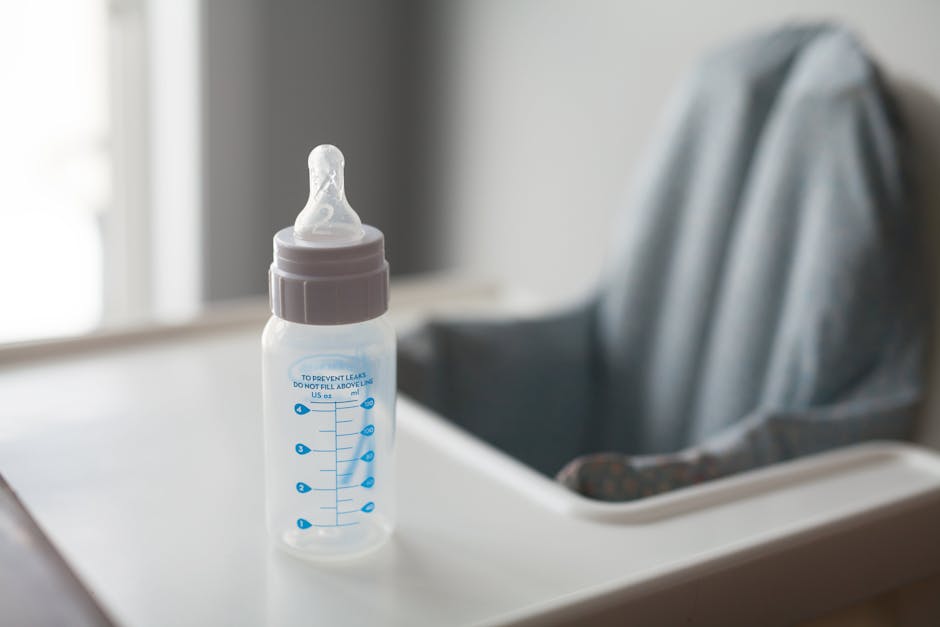
Baby bottles are designed to mimic breastfeeding by delivering milk or formula through a nipple that controls flow rate. Choosing the right bottle depends on several factors:
- Material: BPA-free plastic, glass, or silicone.
- Nipple Shape: Standard, orthodontic, or angled to reduce air intake.
- Flow Rate: Slow, medium, or fast depending on baby’s age and feeding ability.
- Anti-Colic Features: Vents and valves that minimize air swallowing.
For example, Consumer Reports highlights that bottles with vented systems, such as the Dr. Brown’s Options+, reduce colic symptoms by 28% compared to standard bottles.
Common Bottle Types
- Standard Bottles: Simple design, easy to clean.
- Anti-Colic Bottles: Built-in venting systems.
- Wide-Neck Bottles: Easier to clean and fill.
- Disposable Liner Bottles: Convenient for travel but less eco-friendly.

High Chairs: Features and Safety Considerations
High chairs provide a secure place for baby to eat at table height, supporting posture and interaction during meals. Safety and usability are paramount.
Key Safety Standards
- JPMA Certification: Ensures compliance with ASTM F404 for high chairs.
- 5-Point Harness: Keeps baby securely seated.
- Stable Base: Prevents tipping.
- Non-Toxic Materials: Free from lead and phthalates.
Essential Features to Consider
- Adjustability: Seat height and recline for growing babies.
- Portability: Foldable or lightweight designs.
- Tray Design: Removable and dishwasher safe.
- Size: Compact models for small spaces vs. full-size chairs.
Nutrition Essentials: Feeding Stages and Tools
Nutrition needs evolve from exclusive milk feeds to the introduction of solids around 6 months. Feeding gear must adapt accordingly.
- 0-6 Months: Bottles and breast pumps for milk/formula.
- 6-12 Months: Introduction of purees using spoons and soft-tip utensils.
- 12+ Months: Transition to family foods with toddler cups and bowls.
Specialized tools like baby food makers or formula preparation systems can streamline mealtime but are optional.
Getting Started: How to Choose Your Baby Feeding Gear
Start by assessing your baby’s age, feeding style, and your household needs. Here is a step-by-step to guide your choices:
- Identify Feeding Method: Breastfeeding, formula, or combination.
- Choose Bottle Type: Prioritize anti-colic features if needed.
- Select a High Chair: Consider space, safety certifications, and ease of cleaning.
- Plan for Stage-Appropriate Nutrition: Equip with utensils and cups suited for baby’s development.
Advanced Tips for Feeding Gear Maintenance and Use
- Sanitize Bottles: Use boiling water or steam sterilizers regularly.
- Inspect High Chairs: Check harnesses and structural integrity frequently.
- Rotate Nipples: Replace every 2-3 months or at first sign of wear.
- Introduce New Foods Gradually: Use soft spoons to avoid gagging.

Common Pitfalls to Avoid in Baby Feeding
- Avoid using bottles with BPA or unverified materials.
- Never leave a baby unattended in a high chair.
- Do not rush transitioning to solids before 4 months per AAP guidelines.
- Avoid propping bottles to feed, which increases choking risk.
This is the part most guides skip over.
You May Also Like
- Willow Go vs Elvie Stride: Hands-Free Breast Pump Showdown
- How Video Baby Monitors Improve SIDS Risk Awareness for New Parents
- Chicco KeyFit 35 vs Nuna PIPA Rx: Infant Car Seat Safety Ratings Compared
FAQ
What is the safest bottle material for babies?
BPA-free plastic, glass, and silicone bottles are all safe options. Glass is more durable and chemical-free but heavier.
When should I start using a high chair?
High chairs are recommended when babies can sit upright unassisted, usually around 6 months.
How often should I replace baby bottle nipples?
Replace nipples every 2-3 months or sooner if damaged or discolored.
Are anti-colic bottles really effective?
Studies, such as Consumer Reports, show vented anti-colic bottles can reduce colic symptoms by decreasing swallowed air.
Can I use regular spoons for feeding purees?
Soft-tip spoons designed for infants are safer and more comfortable to prevent injury to sensitive gums.
Connecting to Related Topics
This guide complements our detailed reviews on anti-colic bottles, high chair comparisons, and formula preparation systems. For transitioning toddlers, see our article on how to transition from bottle to sippy cup.
This is informational content, not medical or parenting advice. Always follow manufacturer guidelines and consult your pediatrician.
📌 You May Also Like
🔍 Explore More Topics
🔗 Helpful Resources