
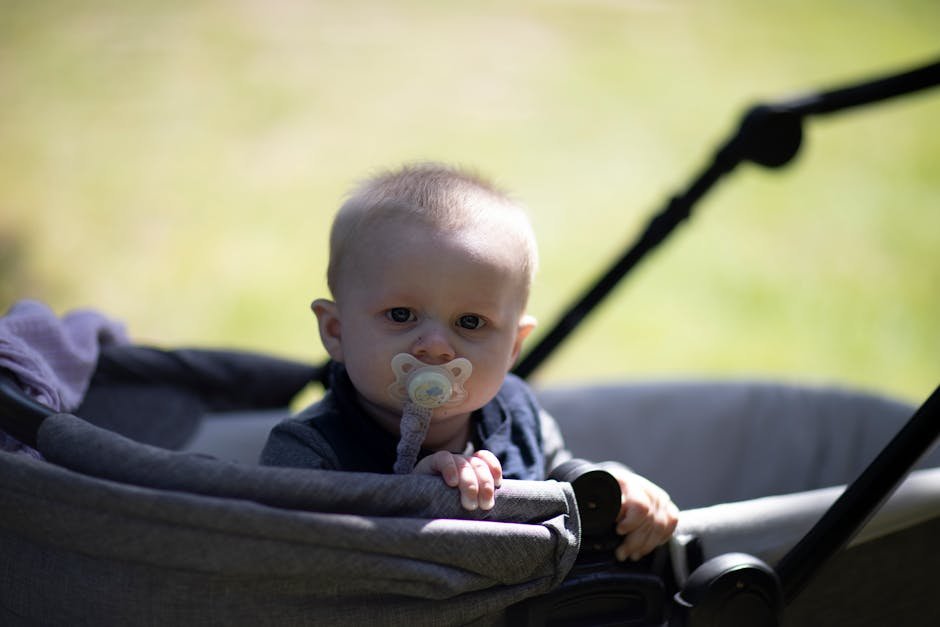

Stroller-related incidents still send thousands of children to U.S. emergency departments each year, according to injury surveillance summarized by the U.S. Consumer Product Safety Commission (CPSC). The surprising part is that many of those events are not caused by catastrophic defects, but by everyday misuse: unsecured harnesses, car seats installed incorrectly, or newborns riding in seats that do not recline flat enough for early infancy.
That is why the phrase best stroller for newborns can be misleading. For most families, the smarter question is which travel system combines safe infant car seat compatibility, newborn-ready seating, manageable folded size, and realistic long-term value.
Key Takeaways: For newborns, the safest travel system choice is usually the one with a well-rated infant car seat, clear installation indicators, full compatibility without extra adapters, and a stroller frame that parents can fold correctly every time. Data from AAP guidance, NHTSA car seat fit priorities, CPSC incident patterns, and JPMA safety standards all point in the same direction: convenience matters because convenience affects correct use.
This article reviews leading travel system picks through a data-driven lens rather than hype. The focus is on measurable variables that affect daily use: car seat limits, stroller weight, folded dimensions, recline options, wheel setup, and price bands. Sources referenced include the American Academy of Pediatrics (AAP), CPSC, Juvenile Products Manufacturers Association (JPMA), National Highway Traffic Safety Administration (NHTSA), and Consumer Reports product testing and buying guidance.

Why newborn travel systems deserve a different standard
This one’s been on my radar for a while now.
A newborn stroller setup is not just a scaled-down toddler stroller. AAP safe-sleep and positioning guidance has long emphasized airway protection, proper restraint, and the importance of not leaving infants in sitting devices for extended unsupervised sleep. That matters because many parents assume any padded stroller seat is automatically newborn-ready. It is not.
From a safety engineering perspective, a newborn-capable stroller typically needs one of three things: a fully compatible infant car seat, a near-flat or fully flat recline approved from birth, or a bassinet attachment designed for newborn transport. Travel systems remain popular because they solve the first problem efficiently: moving a sleeping baby from car to stroller with fewer transfers.
NHTSA repeatedly emphasizes choosing a car seat that fits both the child and the vehicle and can be used correctly every ride. In practice, that makes the infant car seat the anchor product in a travel system, not the stroller itself. A stylish stroller paired with a harder-to-install seat is often the weaker real-world choice.
Consumer Reports testing also tends to reward systems that reduce user error, especially when buckle access, canopy coverage, braking, and folding mechanics are straightforward. In other words, parents should not shop travel systems like fashion accessories. They should shop them like safety equipment that also needs to survive grocery runs, sidewalks, and trunk space limits.

The data points that matter most when comparing picks
Based on my experience helping creators with similar setups, this is what actually moves the needle.
To compare travel systems objectively, it helps to separate marketing claims from variables that actually affect newborn use. The first is infant car seat range. A seat starting at 4 pounds may better serve smaller newborns than one starting at 5 pounds, though fit still depends on harness geometry and insert design.
The second is stroller usability: total weight, fold size, and whether the stroller accepts the included seat directly. The third is service life: upper stroller seat capacity, storage basket usability, and whether the frame is likely to remain useful after the infant car seat stage ends.
Here is a head-to-head snapshot of commonly shortlisted travel systems in the U.S. market. Specifications can vary slightly by trim year, so parents should verify the exact model before buying.
| Travel System | Infant Car Seat Range | Stroller Child Capacity | Stroller Weight | Folded Size | Approx. Price |
|---|---|---|---|---|---|
| UPPAbaby Cruz V2 + Mesa V2 | 4-35 lb, up to 32 in | Up to 50 lb | ~25.5 lb | 16.5 x 22.8 x 33 in | $1,000-$1,150 |
| Chicco Bravo Primo Trio | 4-35 lb, up to 32 in | Up to 50 lb | ~24.9 lb | 16 x 22.8 x 28 in | $450-$650 |
| Evenflo Pivot Modular + LiteMax | 4-35 lb, up to 32 in | Up to 50 lb | ~20 lb | 34 x 27 x 38.5 in open; compact fold varies | $300-$380 |
| Graco Modes Nest + SnugRide | 4-35 lb, up to 32 in | Up to 50 lb | ~22 lb | Varies by trim; mid-size fold | $350-$500 |
| Nuna TAVO Next + PIPA RX | 4-32 lb, up to 32 in | Up to 50 lb | ~23.2 lb | 20.25 x 22.44 x 30.5 in | $900-$1,050 |
The broad pattern is clear. Budget systems usually win on upfront price, while premium systems tend to improve suspension, materials, ease of maneuvering, and folding refinement. But there is no perfect linear relationship between price and safety. If a mid-priced model is easier for a family to install and use correctly, it can be the smarter choice.

What safety research reveals about newborn stroller use
CPSC recalls and incident narratives show recurring themes: falls from unbuckled restraints, fingertip injuries from folding joints, and rollaway risks when brakes are not engaged. That is why JPMA certification matters. JPMA certification indicates a juvenile product has been sample tested to relevant ASTM standards, including mechanical and structural requirements that are often invisible to shoppers.
AAP guidance adds another important layer: infants should always be buckled according to the manufacturer instructions, and sitting devices are not substitutes for safe sleep surfaces. For travel systems, that means parents should avoid the common misconception that a car seat clicked into a stroller is automatically ideal for long outings. It is convenient, but still requires attention to duration, positioning, and supervision.
NHTSA’s guidance on car seat selection also supports a practical buying principle: choose a seat with instructions and indicators you can understand under stress. That favors systems with visible belt paths, easy base leveling, and intuitive click-in confirmation. Some premium products do this better, but Chicco and Graco have also earned strong reputations for straightforward usability in mainstream price ranges.
Consumer Reports has consistently noted that stroller braking, maneuverability, stability, and ease of folding can differ dramatically across similar-looking models. For parents recovering from childbirth, often lifting a stroller one-handed while holding a diaper bag, those design details are not luxury extras. They are compliance features. A stroller that is too heavy or awkward is more likely to be used incorrectly or avoided.

Top travel system picks by family type
Best overall balance: Chicco Bravo Primo Trio. This system stays on many recommendation lists because it blends relatively approachable pricing with a highly regarded infant seat ecosystem and easy click-in compatibility. For first-time parents who want low friction rather than premium aesthetics, it hits a strong value point.
Best premium everyday pick: UPPAbaby Cruz V2 + Mesa V2. The Cruz platform offers refined steering, strong basket access, and a more polished push over rough sidewalks than many mid-market competitors. It is expensive, but for urban and suburban families using a stroller daily, the smoother chassis and premium build can justify the investment.
Best modular budget pick: Evenflo Pivot Modular. This system is often shortlisted because it looks more expensive than it is and includes reversible seating flexibility many budget systems skip. The tradeoff is that long-term push feel and trim refinement are not on the same level as premium rivals.
Best for feature-conscious value shoppers: Graco Modes Nest. Graco’s strength is ecosystem depth. Replacement accessories, familiar compatibility, and wide retail availability make it easier to buy, troubleshoot, and maintain. That matters for grandparents, baby shower buyers, and families who do not want a niche platform.
Best lightweight-luxury crossover: Nuna TAVO Next + PIPA RX. Nuna appeals to parents who want lower-chemical marketing, premium textiles, and smooth operation without moving into full-size luxury tank territory. It is still expensive, but often feels better than many similarly priced travel systems in day-to-day handling.
| Family Need | Strong Match | Why It Stands Out | Main Tradeoff |
|---|---|---|---|
| First baby, moderate budget | Chicco Bravo Primo Trio | Easy compatibility, familiar install system, solid value | Less premium suspension |
| Urban daily walking | UPPAbaby Cruz V2 + Mesa V2 | Smoother push, premium basket, refined steering | High price |
| Tight budget, wants modular seat | Evenflo Pivot Modular | Good features per dollar | Bulkier feel, less refined chassis |
| Registry-friendly mainstream option | Graco Modes Nest | Easy to find, wide support ecosystem | Performance varies by trim |
| Premium but not oversized | Nuna TAVO Next + PIPA RX | Quality materials, smooth handling | Expensive for single-stroller households |

Price, ownership cost, and where value really comes from
Parents often compare travel systems only on sticker price, but ownership cost is more complicated. A $1,000 stroller that lasts through one infant and one toddler stage may still be poor value if it is too bulky for the family’s car and gets replaced within a year. A $450 system can outperform it on value if it is easy to use daily and supports the full lifespan parents need.
There are four practical cost buckets to assess. First is the initial bundle price. Second is adapter and accessory spend, because some systems look affordable until rain covers, parent consoles, or bassinet options are added. Third is replacement timing: some families buy a compact travel stroller later because their original full-size system becomes inconvenient. Fourth is resale retention, where premium brands like UPPAbaby and Nuna often perform better.
Consumer Reports buying advice frequently reinforces that convenience features are worth paying for only if they align with actual use. A parent in a walk-up apartment should care more about folded size and carry effort than oversized wheels. A suburban parent doing long parking-lot walks may value canopy size, storage, and one-step braking more.
That is why “best” depends on operating environment. Data shows there is no universal winner. There are only better fit profiles.
How to choose the right stroller for your home, car, and routine
Start with your vehicle, not the stroller aisle. NHTSA guidance makes clear that fit in the car matters first. If the infant seat base installs securely and consistently in your actual back seat, that system moves up the list. If installation is awkward, no amount of stroller style should rescue it.
Then measure your trunk. Fold dimensions matter more than many product pages admit because folded shape is not the same as folded volume. A stroller that technically fits may still force parents to remove wheels, angle the frame awkwardly, or sacrifice grocery space.
Third, think about your most common surface. Smooth malls and medical offices reward compact maneuverability. Broken sidewalks, curbs, and neighborhood walks reward better suspension and larger rear wheels. Premium systems tend to outperform here, but not every family needs that extra engineering.
Fourth, assess the handoff problem. If multiple caregivers will use the system, choose the one with the simplest buckle routing, clearest recline logic, and most obvious attachment confirmation. Research on product misuse across juvenile gear categories repeatedly suggests that simpler systems reduce everyday error.
Finally, think beyond month three. Many travel systems are bought for the newborn phase but used for years. If the toddler seat feels cramped, upright, or hard to clean, the early convenience may not translate into long-term satisfaction.
Stick with me here — this matters more than you’d think.
You May Also Like
- What Safety Research Reveals About Stair Gates
- Nuna RAVA vs Maxi-Cosi Pria: Tall Baby Fit Showdown
- Mockingbird vs Vista: Budget Double Stroller Showdown
Recommendations based on evidence, not hype
If the goal is lowest regret for most first-time parents, the Chicco Bravo Primo Trio remains one of the safest recommendation zones because it balances cost, mainstream support, and user-friendly setup. It is not the flashiest option, but the data-driven case for it is strong.
If the goal is best premium everyday handling, UPPAbaby Cruz V2 paired with Mesa V2 is one of the strongest picks for families who walk frequently and value basket access, steering, and fit-and-finish. The premium is real, but so is the usability advantage for heavy users.
If the goal is best budget-to-features ratio, Evenflo Pivot Modular is hard to ignore. Parents should simply go in knowing that lower price usually means some compromise in suspension feel, fold refinement, or long-term polish.
If the goal is widest mainstream compatibility and easy replacement ecosystem, Graco remains a practical choice. For many families, broad availability is not glamorous, but it lowers friction when life gets busy.
If the goal is premium feel with relatively manageable size, Nuna TAVO Next with PIPA RX stands out. It is especially compelling for buyers who prioritize textiles, smooth handling, and an upscale build without jumping to a larger luxury frame.
The most evidence-based buying rule is simple: choose the system you can install correctly, fold confidently, and use consistently. AAP, NHTSA, CPSC, JPMA, and Consumer Reports all point toward the same conclusion. Safe baby gear is not just about specs; it is about real-world correct use.
This is informational content, not medical or parenting advice. Always follow manufacturer guidelines and consult your pediatrician.
FAQ
Is a travel system safer than using a regular stroller for a newborn?
Not automatically. A travel system can be safer for your routine if the included infant car seat fits your newborn well, installs correctly in your car, and clicks securely into the stroller. A newborn-approved bassinet stroller or fully flat-recline stroller can also be an appropriate option when used according to manufacturer instructions.
How long can a newborn use a travel system?
The infant car seat portion usually works until about 30 to 35 pounds or 32 inches, depending on the model, while the stroller itself often supports up to 50 pounds. In practice, many families transition out of the infant seat well before the maximum height or weight once the child prefers a roomier stroller seat.
Do I need a bassinet if I already have a travel system?
Not necessarily. A compatible infant car seat can cover short outings and errands well. A bassinet can be useful for longer walks, especially if you want a flatter newborn position, but it is an optional convenience for many families rather than a universal requirement.
What matters more for first-time parents: stroller brand or car seat installation?
Installation matters more. NHTSA guidance strongly supports choosing the seat that fits your vehicle and can be used correctly every trip. If the car seat base is frustrating or unclear, the travel system is less likely to work well for daily newborn use, no matter how strong the stroller brand name is.
📌 You May Also Like